Ingredients & evidence
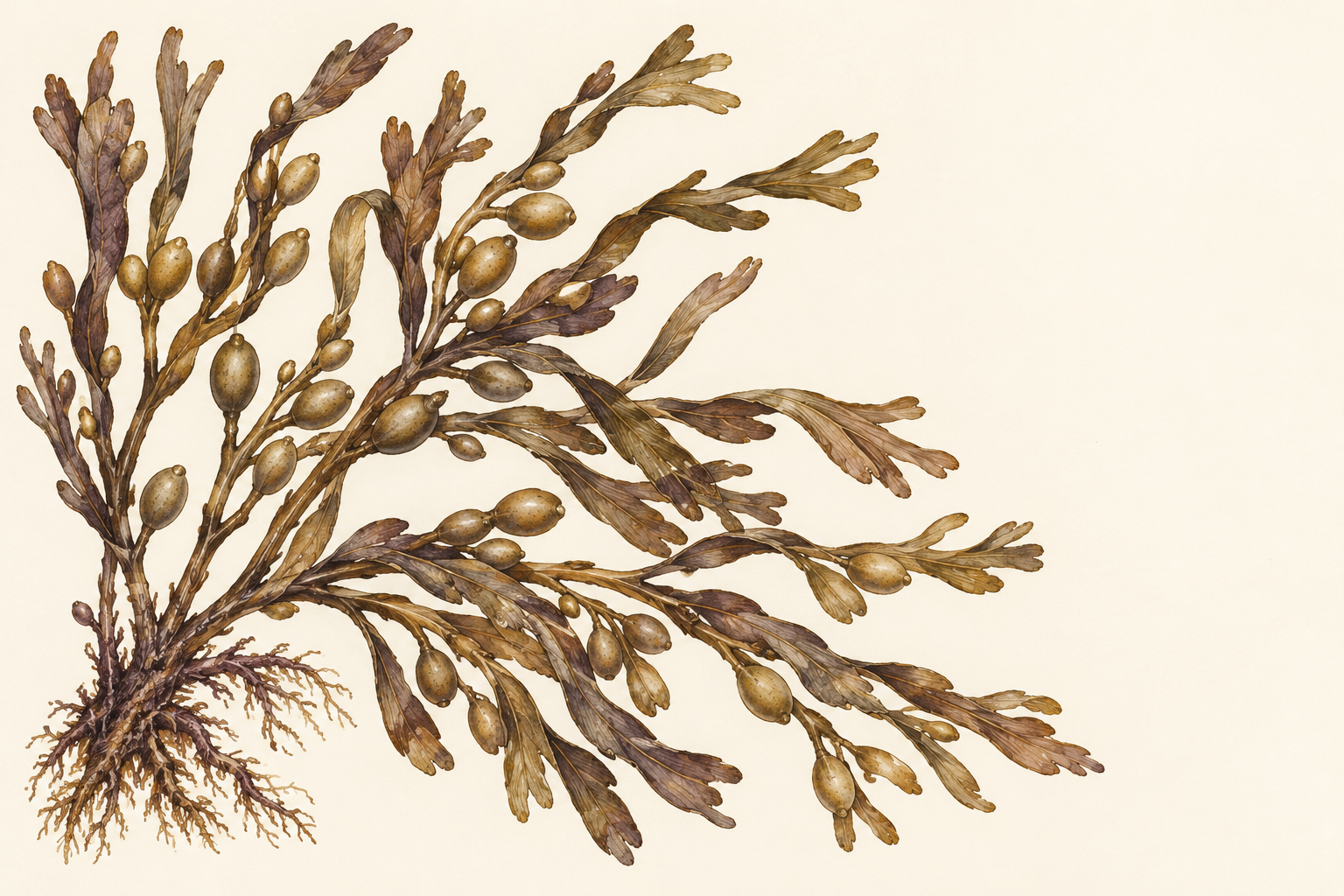
What does seaweed actually do for a plant
Seaweed is the source of an extract containing a mixture of components. The species and processing help determine what that mixture contains.
Read the guide Where to buy
The Underground / Ingredients
Where it comes from. How it is made. What it contributes. The questions behind what goes into your grow.
Ingredients & evidence
Seaweed is the source of an extract containing a mixture of components. The species and processing help determine what that mixture contains.
Read the guide
Ingredients & evidence
Amino acids are the building blocks of proteins. Understand what an amino input contains, how it is produced and why its composition matters.
Read the guideIngredients & evidence
Humic materials are associated with the breakdown of organic matter. Explore their sources and the research around their interactions with nutrients and roots.
Read the guideIngredients & evidence
Humic and fulvic materials are often mentioned together. Learn how they are described, how they differ and why composition matters.
Read the guideIngredients & evidence
Understand this sugar-beet processing input, the nutrients and organic material it contributes, and why its specification matters.
Read the guideIngredients & evidence
Explore this corn-processing input, its composition and why the material needs to be understood as part of the whole formulation.
Read the guideIngredients & evidence
Organic material can provide food for root-zone microorganisms. The material, growing conditions and the rest of the feed all matter.
Read the guideIngredients & evidence
What are vitamins, and why are they discussed in plant formulations? Explore the different compounds and the evidence around their use.
Read the guideIngredients & evidence
Plants need mineral nutrients for growth and normal function. Learn their roles and consider what your water, medium and feed already supply.
Read the guide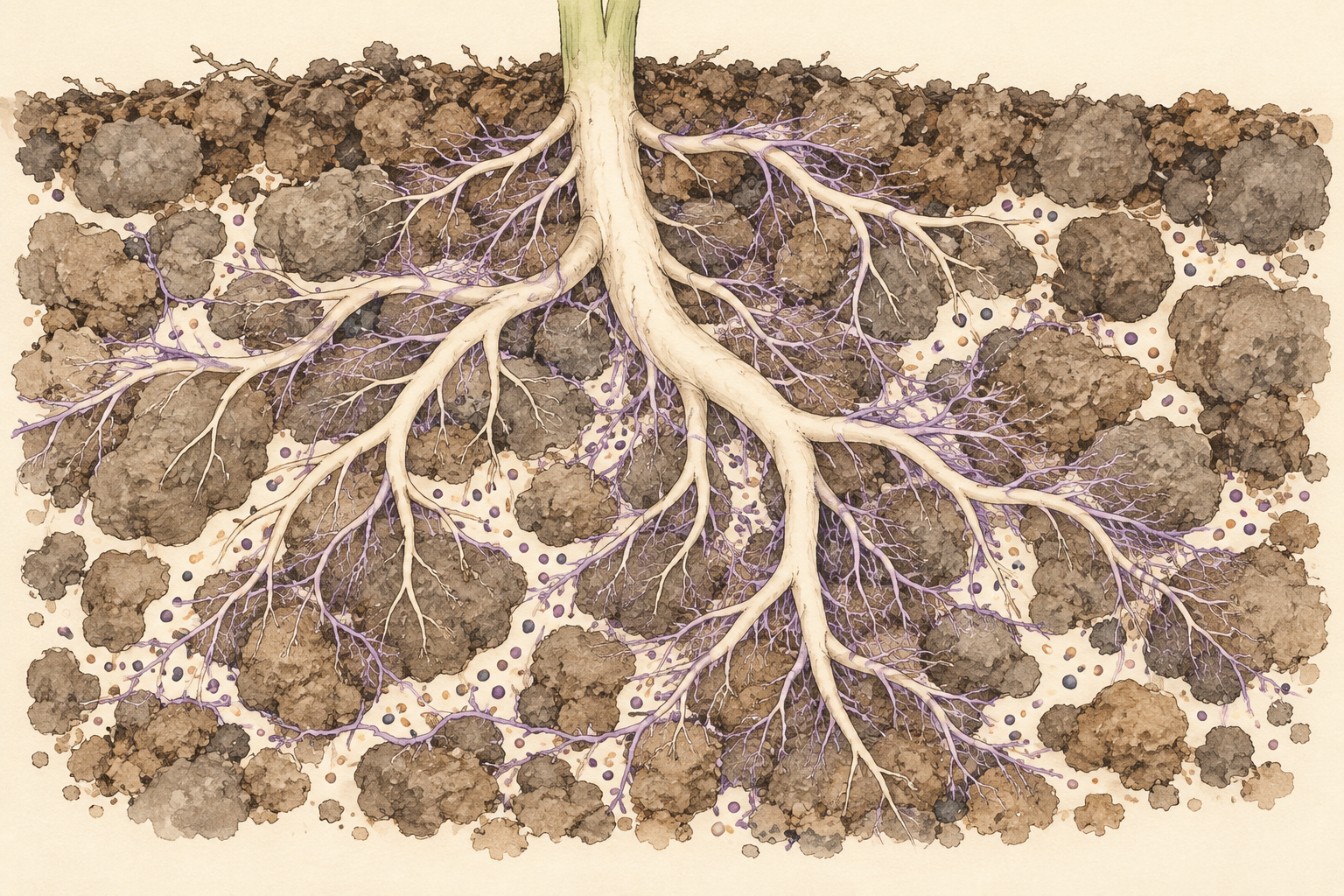
Ingredients & evidence
Learn the difference between adding microorganisms and supplying organic material. Organism identity, handling and growing conditions matter.
Read the guideWhat is it? What does it contain? Why is it included? Each guide takes you from a plain explanation into the source, the process and the evidence.
A raw material can bring several components into a blend. Follow the product’s role first, then use these guides to understand the ingredients behind it.
How we choose our inputs →